Posts tagged ‘essoyes’
Interview with Sidonie Bilger, Artiste

Sidonie Bilger est la lauréate 2025 de la Bourse Renoir, parrainée par l’Association Renoir en partenariat avec la Mairie d’Essoyes (Aube) et le site culturel Du Côté des Renoir. Elle a étudié le dessin, la peinture et la gravure à l’École Emile Cohl á Lyon et à la Hochschule der Bildenden Künst Saar en Allemagne, et elle est diplômée de l’École Nationale Supérieure des Beaux-Arts de Paris. Ses œuvres les plus récentes seront exposées au Manoir Champagne Devaux à Bar-sur-Seine du 3 octobre-1 novembre; puis à la Salle d’Exposition du Crédit Agricole à Troyes (269 Rue du Faubourg Croncels, 10000 Troyes) le 5 -25 novembre. J’ai récemment rencontré Sidonie lors d’une journée portes ouvertes au Château Hériot à Essoyes, où elle travaille sur ses dernières peintures, et elle a gentiment accepté de répondre à quelques questions sur sa vie d’artiste et son travail. Cette interview a été réalisée (principalement) par e-mail, en français et en anglais.
VERSION FRANCAISE (Scroll down for the English version).
Janet Hulstrand: Où as-tu grandi ? Et où vis-tu maintenant ?
Sidonie Bilger: J’ai grandi en Alsace avec mes parents et mon frère, dans un village-dortoir entre Mulhouse et Bâle. Très vite, je suis partie en internat à l’âge de 15 ans vers Strasbourg pour faire mes études. Aujourd’hui, je suis nomade : je vais de résidence d’artistes en résidence d’artistes, de projets en projets. Cela m’amène à déménager très régulièrement, je découvre ainsi plein de régions en France et parfois même à l’étranger. Il m’est arrivé de vivre en Allemagne dans ce cadre, ou de voyager jusque dans les Antilles françaises. Pour des raisons administratives liées à mon activité, j’ai quand même une adresse fixe en Haute-Saône, dans la très belle région des Mille-Étangs. Mes parents me laissent à disposition une roulotte ainsi qu’un grand espace d’atelier et de stockage.
Quelle importance accordez-vous au lieu (urbain/rural, type de paysage, etc.) dans votre travail ?
Plus jeune, j’ai peint beaucoup de paysages. Je peignais sur le motif en extérieur, je n’avais pas toujours d’atelier et c’était pour moi un moment où j’étais en connexion avec le réel, avec la lumière. Je faisais mes gammes en marchant dans les pas d’artistes modernes dont j’aimais énormément le travail.
Aujourd’hui, le lieu n’est jamais un simple décor dans mon travail, il en constitue la matière première. Qu’il soit urbain, rural, industriel ou naturel, chaque territoire porte des traces visibles et invisibles : vestiges, récits, luttes sociales, imaginaires collectifs. Je m’attache à les écouter et à les transformer en images. Dans un paysage industriel en friche, ce sont les mémoires ouvrières et les fantômes des machines qui nourrissent mes fresques. Dans un espace rural, ce sont les tensions contemporaines entre agriculture, écologie et mutation des modes de vie. L’urbain, quant à lui, est à la fois un terrain d’affichage, un espace de friction sociale et une scène où l’art peut entrer en résonance directe avec le quotidien.
Chaque contexte me pousse à ajuster ma pratique : le dessin monumental devient fresque dans l’espace public, collage dans la rue, ou installation immersive dans un lieu clos. Le paysage et l’histoire locale déterminent la forme, mais aussi le sens de l’œuvre. En ce sens, le lieu n’est pas secondaire : il est le point d’ancrage qui permet d’articuler mémoire, imaginaire et engagement.
Depuis combien de temps êtes-vous à Essoyes ? Qu’avez-vous le plus apprécié ici ?
Je suis arrivée à Essoyes le 3 août 2025. L’architecture calcaire et les paysages me rappelaient un peu la Haute-Marne, où j’ai vécu un temps et dont j’ai beaucoup peint les paysages. Mais j’ai été particulièrement fascinée, dans ce village, par la présence de l’eau, cette rivière qui coupe le village en deux. Ensuite, le village m’a touchée dans son initiative autour de la culture. Peu d’habitants y vivent mais j’y ai rencontré un vrai engouement pour la peinture.

Quand avez-vous su que vous vouliez devenir artiste ? Et comment l’avez-vous su ?
Plus jeune, je ne savais pas que le métier d’artiste en arts visuels existait. J’ai toujours aimé dessiner. Je voulais devenir une grande dessinatrice. Je dis souvent que je faisais comme tous les enfants, je dessinais tout le temps, mais que, contrairement à la plupart des adultes, je n’ai jamais arrêté. Lorsqu’il a fallu faire un choix pour mes études, j’ai tenu tête à mes parents et je me suis orientée vers des études artistiques. À l’époque, c’était dans le domaine du stylisme ou du design, je m’orientais maladroitement vers les arts appliqués. Très vite, j’ai compris que ce n’était pas ce que je voulais faire, que ça ne me correspondait pas.
Quand j’ai eu 20 ans, j’ai rencontré un peintre lors d’une conférence. C’est à ce moment que j’ai découvert ce qu’était un artiste et j’ai compris que c’était dans cette direction que j’allais. Avec le recul, je me souviens qu’un professeur d’histoire de l’art m’avait dit que je n’avais rien à faire en arts appliqués. Je l’avais très mal pris, j’étais assez têtue, mais il avait raison. C’est juste qu’à l’époque, pour moi, les artistes peintres appartenaient à un temps passé.

Qu’est-ce qui est le plus important pour vous en tant qu’artiste ? Comment décririez-vous vos principaux objectifs dans la création de votre œuvre ?
Ce qui compte le plus pour moi en tant qu’artiste, c’est de donner forme à ce qui traverse notre époque : les crises écologiques, les fractures sociales, mais aussi les récits et les mémoires qui tissent un territoire. Mon travail cherche à rendre visibles ces tensions, à la fois dans leur dureté et dans leur force de résistance.
L’envie de créer une œuvre naît très souvent chez moi d’un sentiment d’injustice. C’est en quelque sorte toujours une forme de révolte. Je vais chercher, dans les interstices des rencontres et des lieux qui m’accueillent, une histoire qui va m’animer, dans laquelle je vais sûrement me reconnaître et par laquelle je vais essayer de créer du dialogue. J’essaie de créer des images qui dépassent la simple contemplation : des fresques, des dessins monumentaux ou des projets collectifs qui ouvrent un espace de réflexion et de partage. Je veux que l’œuvre soit un lieu de rencontre entre l’individuel et le collectif, entre le sensible et le politique.
Au fond, ma recherche vise à inventer des formes où la beauté et la catastrophe coexistent, pour faire émerger de nouveaux récits communs et nourrir de nouveaux imaginaires.

Quel est le défi le plus difficile à relever en tant qu’artiste ? Qu’est-ce qui est le plus épanouissant, le plus joyeux dans ce métier ?
Le métier d’artiste est très complet et complexe, et sûrement complètement différent d’un artiste à l’autre. Pour ma part, les défis dans la création sont évidents : l’exigence que l’on porte à son travail, les doutes qui nous traversent, la solitude également. Mais il y en a aussi dans tout le reste à côté : les concours, et les dossiers de candidature, la communication, les réseaux sociaux, la gestion d’entreprise, la connaissance et le respect de ses droits, les négociations avec les différents interlocuteurs, la compétition. C’est un monde malheureusement, à certains égards, implacable, et très concurrentiel.
Ce que j’aime dans mon métier, ce sont les voyages qu’il me permet de faire. Mais ce que j’apprécie le plus, c’est quand la peinture me donne accès à des moments de joie, de connexion profonde. Quand mes œuvres parlent au regardeur, je ressens une exaltation intense, mêlée d’espoir, et l’impression d’une force collective qui dépasse l’individuel.

Selon vous, qu’est-ce que beaucoup de gens ne comprennent pas à propos de la peinture ou du travail des peintres, et qu’il est important pour eux de comprendre ?
Beaucoup de gens pensent encore que la peinture est une pratique tournée vers la décoration ou la simple virtuosité technique. Or, peindre, ce n’est pas seulement produire de « belles images », c’est avant tout une manière de penser, de prendre position et d’ouvrir un espace critique. Pour moi, c’est extrêmement important et c’est ce qui est si risqué. Les œuvres d’art les plus importantes de l’histoire de l’art sont aussi celles qui, souvent, ont créé les plus grands scandales.
Le travail d’un peintre engage du temps, une recherche, une relation au monde qui est autant intellectuelle que corporelle. C’est une pratique qui n’est pas isolée de la société : elle dialogue avec l’histoire, l’actualité, les luttes, les imaginaires collectifs. Il est important de comprendre que la peinture n’est pas figée dans le passé. Elle reste un langage vivant, capable d’inventer de nouvelles formes et d’exprimer les tensions les plus brûlantes de notre époque.
Y a-t-il un ou plusieurs thèmes particuliers sur lesquels vous vous concentrez dans votre travail récent ?
Oui, mon travail récent se concentre sur des thèmes liés au collectif et aux formes de résistance. Je m’intéresse au carnaval comme espace de métamorphose et de révolte, où l’anonymat du masque permet de faire émerger des voix multiples. J’explore des imaginaires collectifs hybrides, entre beauté et chaos, qui questionnent notre époque marquée par les crises écologiques, les héritages coloniaux absurdes et la catastrophe en cours, face à laquelle ma génération se sent souvent impuissante.
Je cherche à traduire plastiquement cette tension entre effondrement et désir d’avenir, en inscrivant l’art dans une dynamique de groupe, de partage et de contestation. La question féminine, et plus largement celle de la déconstruction des rapports de domination, traverse aussi mon travail : elle m’amène à inventer des formes où les identités peuvent se transformer et se libérer.

Avez-vous des projets futurs ou des pistes d’exploration que vous aimeriez faire connaître ?
Mon prochain temps fort sera une résidence de création et de médiation au lycée agricole de Bourges – Le Subdray. Le thème central de cette résidence tournera autour de l’animalité et de l’altérité. Je vais explorer comment ces notions peuvent ouvrir un dialogue entre les êtres humains, le vivant et le territoire, dans un lycée agricole, ce qui engage aussi l’écologie, l’éthique, la relation avec les autres formes de vie.
Par ailleurs, j’ai plusieurs projets de fresques à venir et je continue de postuler à de nombreux appels à projets et résidences pour étendre mon travail, tant en France qu’à l’étranger.
Janet Hulstrand est une écrivaine américaine qui habite en France. Elle est l’auteur de Demystifying the French: How to Love Them, and Make Them Love You, et A Long Way from Iowa: From the Heartland to the Heart of France. On peut trouver son écriture aussi sur Substack. Et vous pouvez en savoir plus sur les oeuvres et les activitiés de Sidonie Bilger sur son site.
ENGLISH VERSION
Sidonie Bilger is the 2025 recipient of the Bourse Renoir, sponsored by the Association Renoir in partnership with the Mairie d’Essoyes (Aube) and the cultural site Du Côté des Renoir. She has studied drawing, painting, and engraving at the Emile Cohl School in Lyon and the Hochschule der Bildenden Künst Saar in Germany, and she is a graduate of the École Nationale Supérieure des Beaux-Arts in Paris. Her most recent work will be exhibited at the Manoir Champagne Devaux in Bar-sur-Seine from October 3-November 1, and at the Crédit Agricole Salle d’Exposition in Troyes (269 Rue du Faubourg Croncels, 10000 Troyes) from November 5-25. I recently met Sidonie at an open house at the Château Hériot in Essoyes, where she is working on her latest paintings, and she kindly agreed to answer a few questions for me about her life as an artist and her work. This interview was conducted (mostly) via email, in French and in English.
Janet Hulstrand: Where did you grow up? And where do you live now?
Sidonie Bilger: I grew up in Alsace with my parents and my brother, in a commuter village between Mulhouse and Basel. I went to a boarding school near Strasbourg at the age of 15 to continue my studies. Today, I am nomadic: I move from artist residency to artist residency, from project to project. This requires that I relocate very frequently, and allows me to discover many regions in France and sometimes even abroad. I have lived in Germany in this context, and I’ve also traveled as far as the French Antilles. I still have a permanent address in Haute-Saône, in the beautiful Mille-Étangs region. My parents provide me with a trailer and a large space for a studio and storage.
How important is place (urban/rural, type of landscape, etc.) in your work?
When I was younger, I painted a lot of landscapes. I painted en plein air, often without a studio, and it was for me a moment of deep connection with the natural world, and with light. I practiced my techniques while following in the footsteps of modern artists whose work I admired greatly.
Today, the place where I am working is never just a backdrop in my work; it constitutes the raw material. Whether urban, rural, industrial, or natural, each territory carries visible and invisible traces: ruins, stories, social struggles, collective imagination. I try to listen to all this and transform it into images. In an abandoned industrial landscape, it is the memory of labor and the ghosts of machines that feed my murals. In a rural space, it is the contemporary tensions between agriculture, ecology, and changing ways of life. Urban spaces are places of display, zones of social friction, and stages where art can resonate directly with daily life.
Each context pushes me to adjust my practice: monumental drawing becomes a public mural, a street collage, or an immersive installation in an enclosed space. The landscape and local history determine both the form and the meaning of the work. In this sense, the place is not secondary: it is the anchor point that allows memory, imagination, and engagement to intersect.
How long have you been in Essoyes? What have you appreciated most here?
I arrived in Essoyes on August 3, 2025 and I will be here until October 3. The limestone architecture and landscapes here remind me a little of Haute-Marne, where I lived for a while and painted many landscapes. But what particularly fascinates me in this village is the presence of water, the river that cuts through the center of the town. I have also been touched by the village’s cultural initiatives. It’s not a very big population, but I have found here a genuine enthusiasm for painting.
When did you know you wanted to become an artist? And how did you realize it?
When I was younger, I didn’t know that being a visual artist was even a profession. I’ve always loved to draw. I wanted to become really good at drawing. I often say that, like most children, I drew constantly, but unlike most adults, I never stopped. When it came time to choose my studies, I stood my ground with my parents and oriented myself toward art studies. At the time, it was in the fields of fashion design or industrial design, and I was awkwardly exploring the applied arts. Very quickly, I realized that it wasn’t what I wanted, that it didn’t suit me.
When I was 20, I met a painter at a lecture. That’s when I discovered what being an artist truly was, and I realized this was the path I wanted to follow. Looking back, I remember an art history professor once told me I had no place in applied arts. I took it badly at the time—I was quite stubborn—but he was right. It’s just that, back then, I thought painters only belonged to the past.
What is most important to you as an artist? How would you describe your main objectives in creating your work?
The most important thing for me as an artist is to give form to what shapes our time: ecological crises, social fractures, as well as the stories and memories that weave a territory. My work seeks to make these tensions visible, both in their harshness and in the strength of their resilience.
The desire to create often arises from a sense of injustice. It is, in a way, always a form of revolt. I seek, between the encounters and the places in my surroundings, a story that animates me, in which I can recognize myself, and through which I try to create dialogue. I aim to produce images that go beyond mere contemplation: murals, monumental drawings, or collective projects that open a space for reflection and sharing. I want the work to be a meeting place between the individual and the collective, between the poetic and the political.
Ultimately, my research aims to invent forms where beauty and catastrophe coexist, to bring forth new shared narratives and nourish new ways of seeing our world.
What is the most difficult challenge as an artist? What is most fulfilling, most joyful in this work?
Being an artist is a complex, multifaceted profession, and is surely very different from one artist to another. For me, the challenges in creation are evident: the demands we place on our own work, the doubts we feel, and the solitude. But there are also challenges in all the rest of it: contests and applications, communication, social media, business management, understanding and standing up for one’s rights, negotiating with various stakeholders. It is unfortunately at times a harsh and highly competitive world.
What I love about my work is that it allows me to travel. But what I appreciate most is the moments of joy and of deep connection it brings me. When my paintings really speak to viewers, I feel an intense joy, a sense of hope–and the sense of a collective force that transcends the individual.
In your opinion, what do many people misunderstand about painting or the work of painters, and what is important for them to understand?
Many people still think of painting as a practice aimed at decoration or pure technical virtuosity. Yet painting is not just about producing “beautiful images”; it is above all a way of thinking, taking a position, and opening a critical space. For me, this is extremely important, and it is what makes it so risky. The most important works in art history are often those that caused the greatest scandals.
A painter’s work requires time, research, and a relationship with the world that is both intellectual and physical. It is a practice that is not isolated from society: it dialogues with history, current events, struggles, and the collective imagination. It is important to understand that painting is not frozen in the past. It remains a living language, capable of inventing new forms and expressing the most urgent tensions of our time.
Are there particular themes you focus on in your recent work?
Yes, my recent work focuses on themes related to collectivity and forms of resistance. I am interested in carnivale as a space of metamorphosis and revolt, where the anonymity of the mask allows multiple voices to emerge. I explore hybrid collective images–between beauty and chaos—that question our era, marked by ecological crises, absurd colonial legacies, and ongoing catastrophe, in the face of which my generation often feels powerless.
I seek to translate this tension between collapse and desire for the future, embedding art in a dynamic of group work, sharing, and protest. Feminist questions–and more broadly the deconstruction of power relations–also run through my work. They lead me to invent forms in which identities can transform and be liberated.
What’s next for you? Do you have upcoming projects or areas of exploration you’d like to share?
My next major step will be a creation and mediation residency at the agricultural high school in Bourges – Le Subdray. The central theme of this residency will focus on the relationship between humans and animals and the attempt to find new, and more positive ways of interacting with them. I will explore how these notions can open a dialogue between humans, the living world, and the earth, in an agricultural school setting, engaging ecology, ethics, and the relationship of humans with other forms of life.
In addition, I have several upcoming mural projects, and I continue to apply to numerous calls for projects and residencies to expand my work both in France and abroad.
Janet Hulstrand is an American writer/editor who lives in France. She is the author of Demystifying the French: How to Love Them, and Make Them Love You, and A Long Way from Iowa: From the Heartland to the Heart of France. You can also find her writing on Substack. And you can learn more about Sidonie Bilger’s work and follow her activities on her website.
A Tribute to Flying Officer Charles E. Anderson: Pilot in the Royal Canadian Air Force

Flying Officer Charles E. Anderson
Photo courtesy of Stephen Paul Garnier and AircrewRemembered.com
On May 8, 1945, in Berlin, the German Army surrendered to Allied forces, bringing World War II in Europe at long last to an end. This day is now known as V-E Day. In France, it is a national holiday, and a day of solemn commemoration. It is a day to remember and honor French men and women, as well as those from around the world who sacrificed their lives during the long struggle for freedom from Nazi Occupation.
The number of lives lost during that struggle, most of them young lives, is staggering. In the Battle of Normandy alone, which lasted from June 6-August 30, 1944, 73,000 Allied forces were killed and 153,00 wounded. About 20,000 French civilians were also killed during this battle, mostly during Allied bombings of French villages and cities.
Numbers of casualties in the thousands can sometimes dull comprehension of the countless individual lives lost. This post will honor the story of one young man—a brave and very capable Canadian pilot who played his part in freeing France from four years of Nazi Occupation, and paid the ultimate price. He is buried in a place of honor in a cemetery in southern Champagne—in the village of Essoyes, next to the war memorial.
***
Every year on May 8 in Essoyes, the village where I now live, there is a procession from the village square to the war memorial at the church, where a proclamation is read and the war dead are honored. Then, led by the mayor, members of the city council, and the volunteer firefighters, villagers proceed to the cemetery, where flowers are laid at the village’s other war memorial, and a minute of silence is observed to honor those buried there.
Similar ceremonies are held in towns, villages, and cities throughout France, and in Paris, in a televised ceremony, the president lays a wreath at the grave of the unknown soldier at the Arc de Triomphe.
One of the men buried in our village cemetery is Flying Officer Charles Edward Anderson, a native of Winnipeg, Manitoba, in Canada. Who was this young man who left a loving family and a safe life behind to venture into battle halfway around the world?
What follows is what I’ve been able to gather from Bill Kitson, Officer Anderson’s nephew, and Bill’s wife Rosemary Deans. Born after the war, Bill knows about his “Uncle Chuck” only through his mother’s memories of her beloved older brother, and Rosemary’s dedicated research into his story. Bill and Rosemary shared with me what they have been able to learn about Officer Anderson so I could write this tribute to his service.
As a young man, Charles Anderson wanted very much to serve in the war. When he was 19, he volunteered with the Winnipeg Grenadiers, the local Royal Canadian Naval Volunteer Reserve. His rank was recorded as “writer” and his trade as “stenographer.”
From there he requested a transfer to the Royal Canadian Air Force. Military records state that his interests were baseball and swimming, and his hobbies were stamp collecting and photography. It was also noted that after the war he wanted to remain with the RCAF, or become a commercial pilot. He was married and the father of a young child, a daughter who was 14 months old at the time of his death.
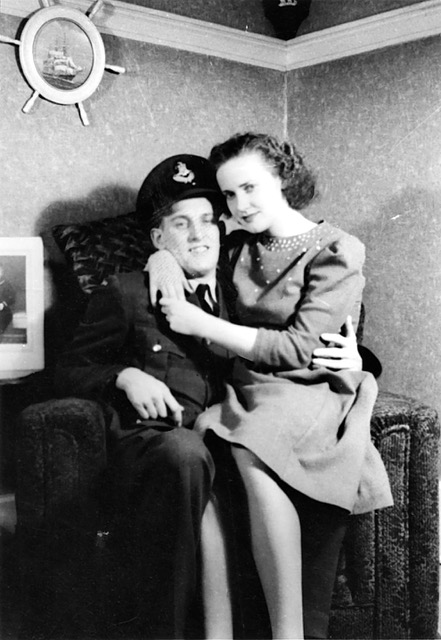
Charles Anderson and his bride-to-be in Winnipeg. Photo credit Sharon Merchant.
His training report indicated that he was “a good and capable pilot who [is] very anxious to start operational flying.” It also indicated that he was getting bored with the training and just wanted to get in on the action.
And he certainly did see action. On June 6, 1944 he and his squadron participated in one of the most dangerous, most costly, and most successful military operations in history: the D-Day invasion.
The report Officer Anderson filed after returning to England from that action gives a glimpse into just how complicated these situations were, and how much courage, sangfroid, and strategic thinking was required simply to survive:
I took off from Tarrant Rushton [England] at 0140 hours on 6 June 1944 on a special mission over France. After we had reached the target and completed our mission the aircraft was hit by flak and set on fire. I gave the order to abandon aircraft at approximately 0340 hours. All members of the crew got out successfully.
I landed in an orchard north of Bures, about 10 miles east of Caen. I hid my parachute, harness, and mae west, and lay in a bed of nettles throughout the day. I saw a number of German patrols.
At 2100 hours I made my way to a farm, where I was given food. I was then warned of an approaching German patrol, so I headed away from it in a southerly direction, accompanied by a Pole whom I had met at the farm. He indicated that he was a deserter from the German Army. After a time I left him and later met a party of British parachute troops. They took me to their Battalion Headquarters. I remained there that night and was sent to Divisional Headquarters next morning (7 June). I was taken to the beachhead in a car by a war correspondent and sent to the UK.
Two months later, on August 5, 1944, Officer Anderson’s plane again flew into France on a special mission. And his plane was shot down again—this time further into France, in southern Champagne. The bombing target Anderson was aiming for was northeast of Essoyes, between Noé-les-Mallets and Fontette. According to members of the crew, all of whom survived the crash, Officer Anderson’s courageous flying after the plane was hit saved their lives. He himself was killed in the crash, at just 22 years old.
Officer Anderson’s final, fateful mission took place in the midst of a confluence of events that took place in the area surrounding Essoyes in the first few days of August 1944, after the Germans had invaded a very large encampment of the maquis in the forest between Mussy-sur-Seine and Grancey-sur-Ource. There is much more story to tell about that day, and the days that followed. Much of it is told in the excellent Museum of the Resistance of l’Aube not far from here, in Mussy-sur-Seine. I have told bits of on this blog as well, and in future posts I will try to tell more.
The main thing to know is that after much more bloodshed, much more courage and suffering on the part of soldiers and civilians alike, this area was liberated. On August 27, three and a half weeks after the Maquis Montcalm was chased out of the forest near Mussy-sur-Seine by the Germans; three weeks after Officer Anderson’s plane crashed northeast of Essoyes; three days after a brutal massacre of civilians, including 20 children, in Buchères; and just one day after General De Gaulle led his triumphant march of liberation on the Champs Elysée in Paris, General Patton led the liberation of the city of Troyes, the capital city of this region; and the Allied forces continued on, through one more very tough winter, to push the Germans back, and eventually across the Rhine River.
There was a lot more fighting to do before victory would be declared by the Allies nearly a year later, on May 8. Every sacrifice made—by foot soldiers and airmen, by Allies and resistance fighters, as well as by civilians from many walks of life—and every act of courage carried out contributed to this final victory.
Needless to say, without these countless acts of courage, the history of France—and of the rest of the world—might have been quite different.
We all owe them all so much. I have just told part of one man’s story. There are so many more. So many more! They should not be forgotten.
Their courage, and their sacrifices, should never be forgotten.
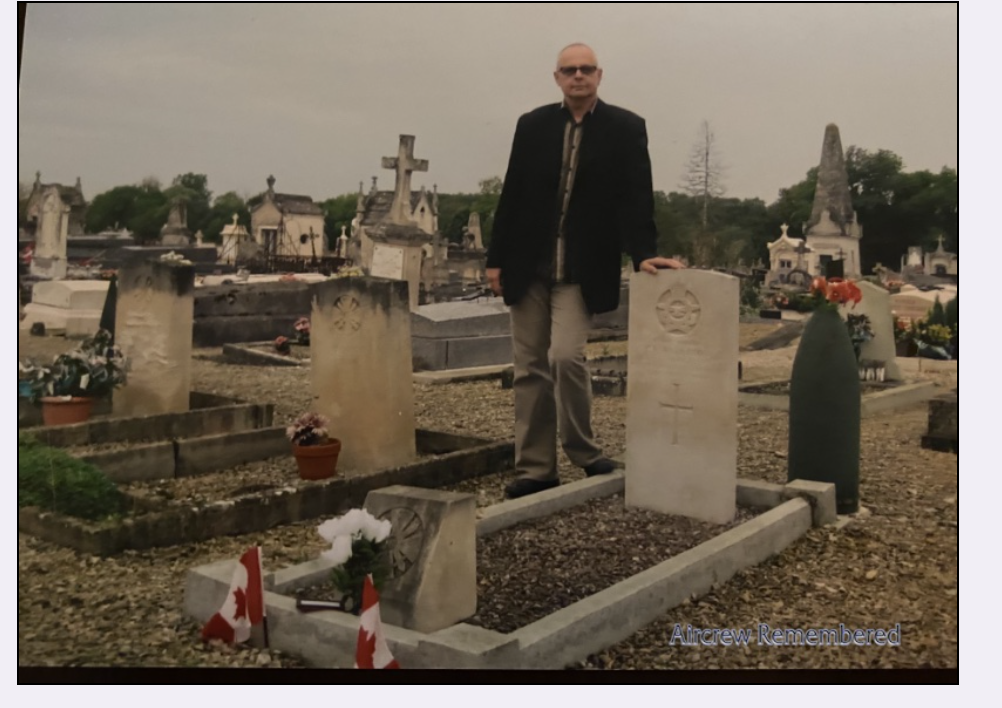
Bill Kitson at his uncle’s grave in Essoyes, August 2006. Photo by Rosemary Deans.
Janet Hulstrand is an American writer, editor, writing coach, and teacher of writing and of literature who lives in France. She is the author of Demystifying the French: How to Love Them, and Make Them Love You, and A Long Way from Iowa: From the Heartland to the Heart of France; and coauthor of Moving On: A Practical Guide to Downsizing the Family Home.
Sources:
For numbers of casualties: https://apnews.com/article/d-day-invasion-normandy-france-nazis-07094640dd7bb938a23e144cc23f348c
For details about FO Charles E. Anderson:
https://aircrewremembered.com/anderson-charles-edward.html
https://www.pegasusarchive.org/normandy/charles_edward_anderson.htm
Private correspondence with William Charles Kitson and Rosemary Deans.
Re massacre in Buchères:
A Long Way from Iowa Launches at The Red Wheelbarrow, Paris
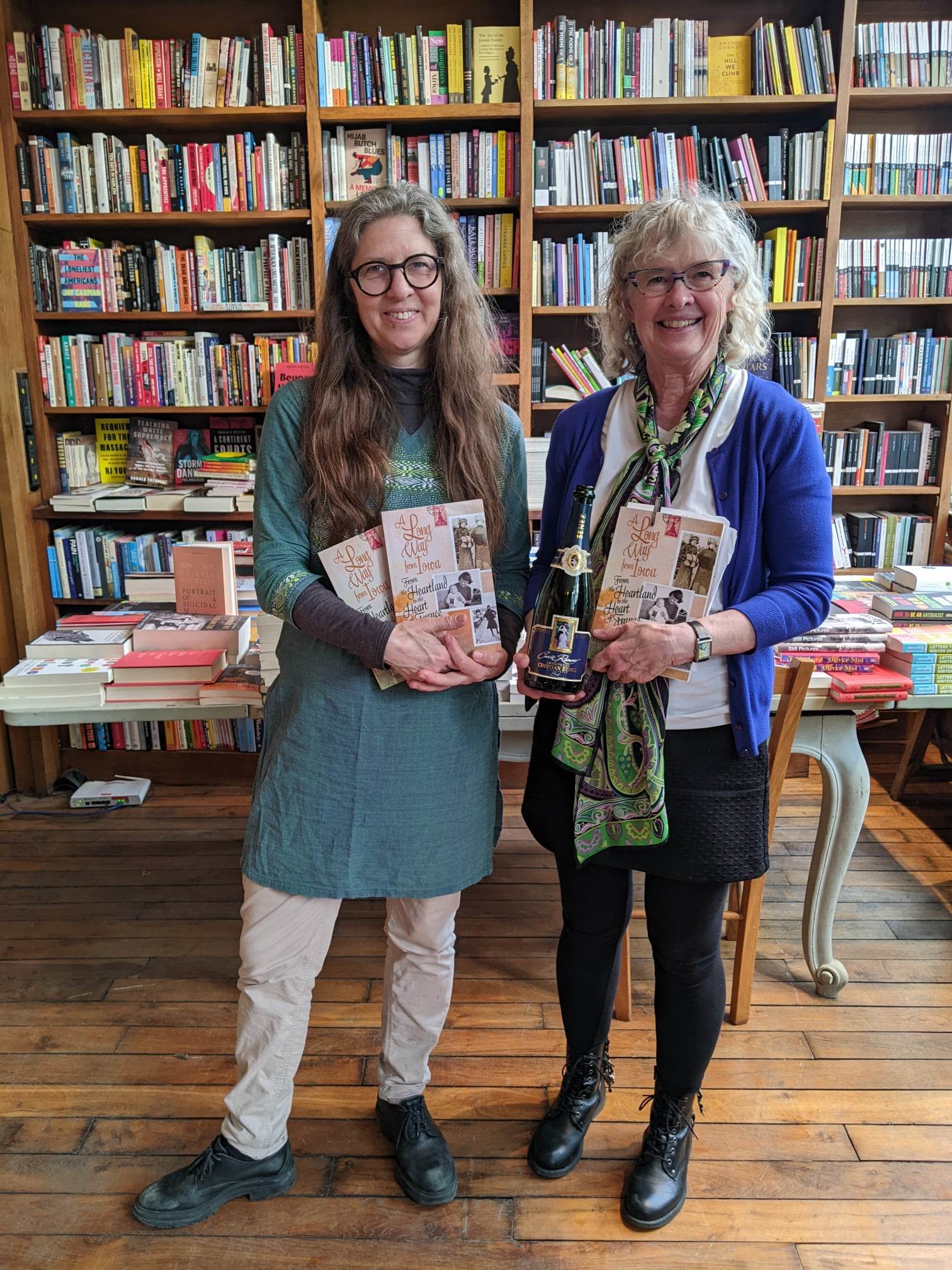
With my friend (and bookseller extraordinaire) Penelope Fletcher, at the launch of A Long Way from Iowa: From the Heartland to the Heart of France.
I stated on my Facebook page not too long ago that having my book launch at The Red Wheelbarrow bookstore in Paris was a longtime dream come true, but that is not strictly accurate.
The truth is I never really dreamed of having a book launch at a bookstore in Paris, at least not until fairly recently. Not until I became friends with Penelope Fletcher, the manager of my very favorite English-language bookstore in Paris (and in my opinion the very best one too).
Penelope is what every indie bookstore manager should be: a voracious reader with boundless love and enthusiasm for books and writers, and a passionate interest in putting the right readers together with the right books. (Being possessed of abundant energy and indefatigable persistence and determination is helpful too. 🙂 )
I could go on and on about Penelope’s talents, skills, and excellence as a bookseller, but perhaps I will save that for another post. For now let me just say that she has become a good friend, and a faithful supporter of my work, and I am deeply grateful for that.
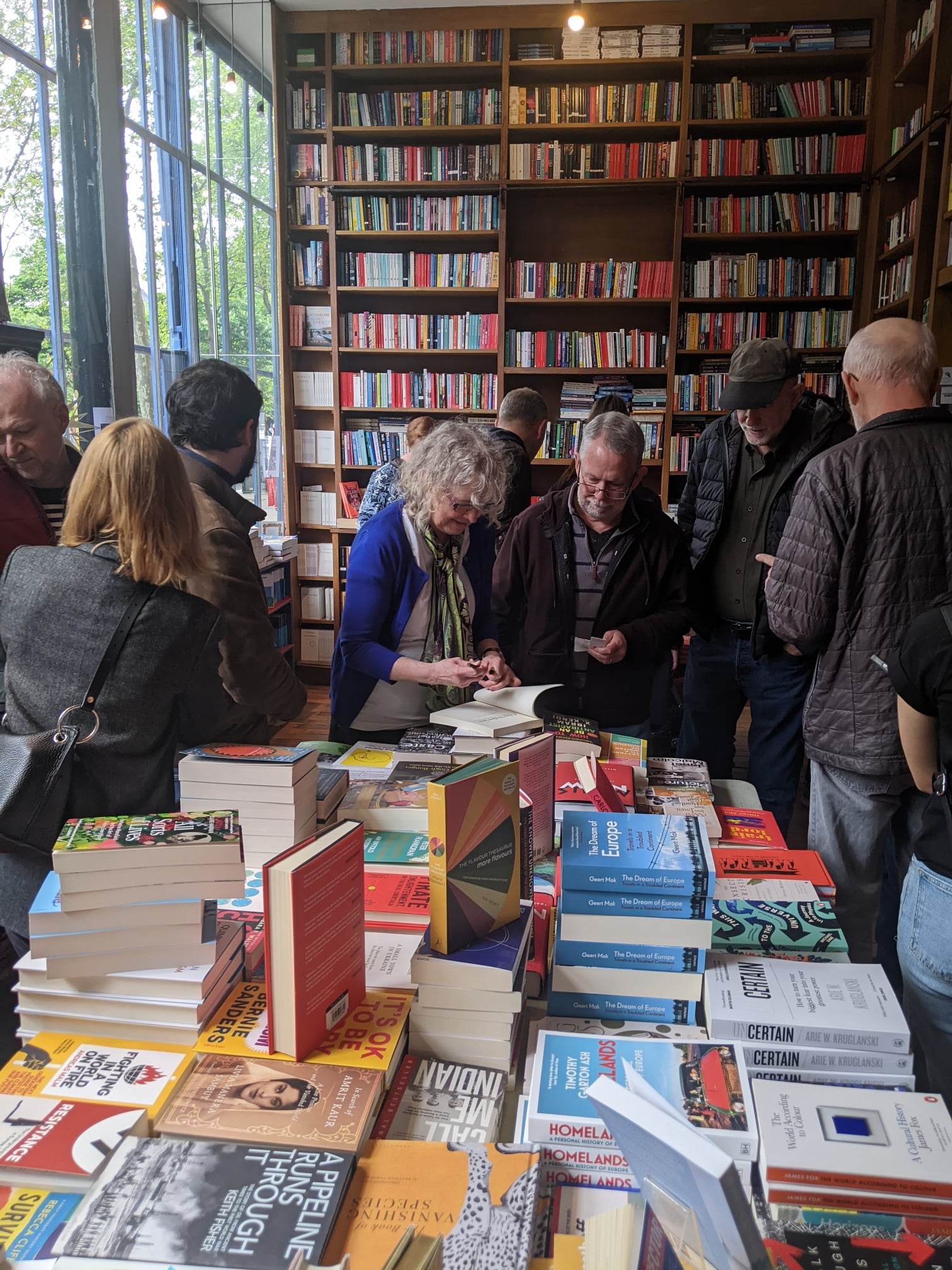
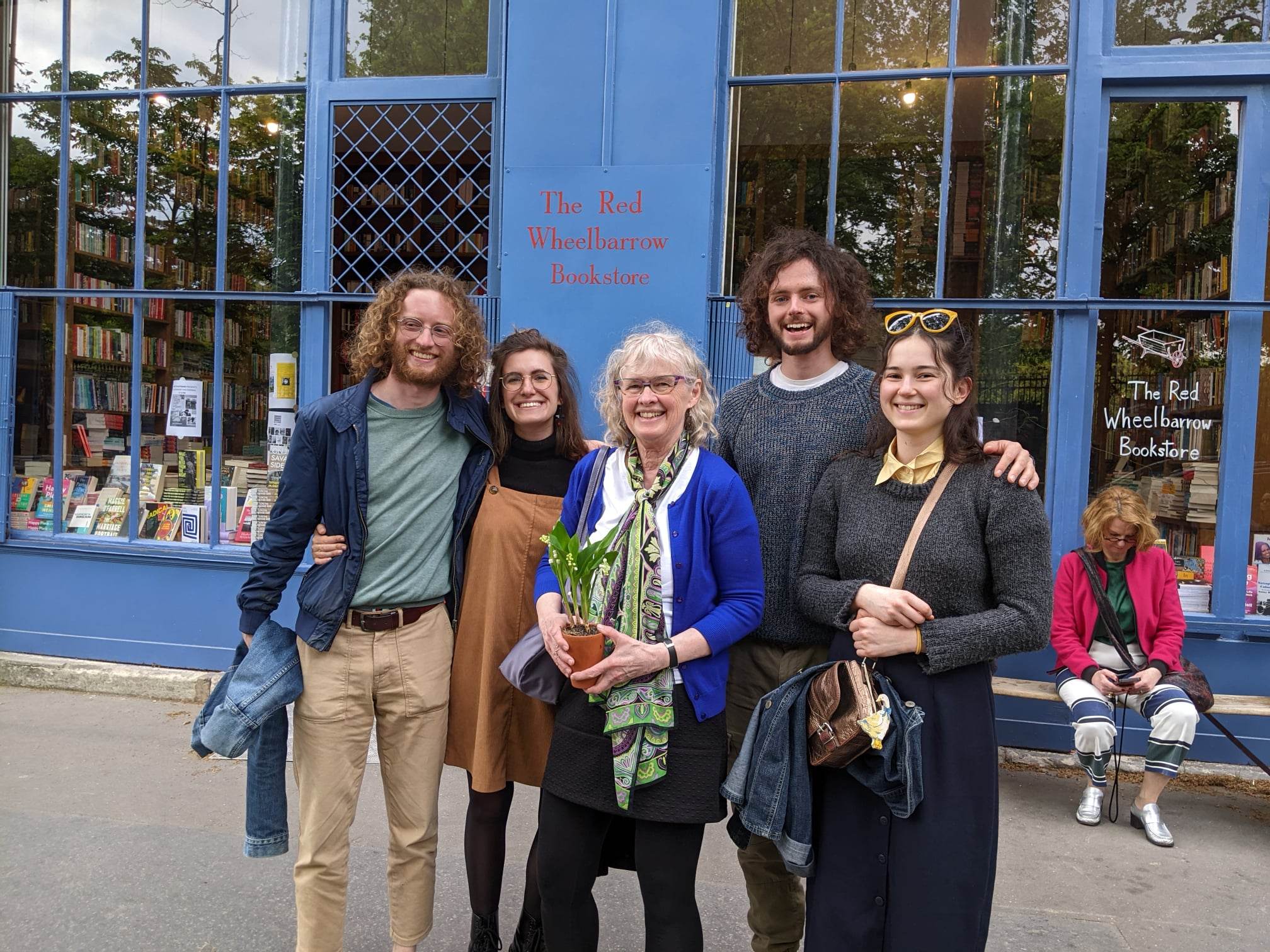
Anyway. So it is that I found myself living that dream come true last night, at The Red Wheelbarrow in Paris. Here are a few photos of the event.
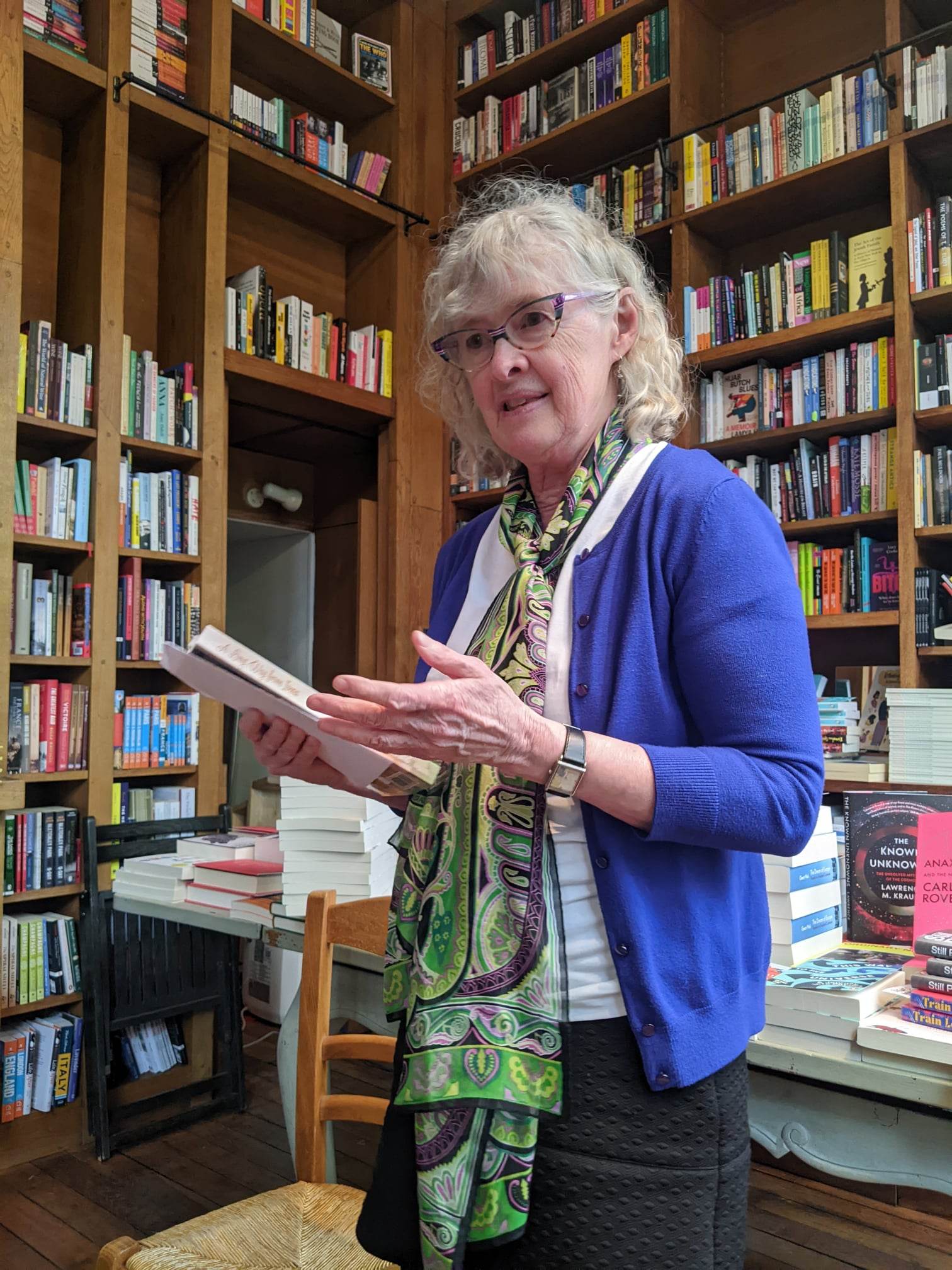
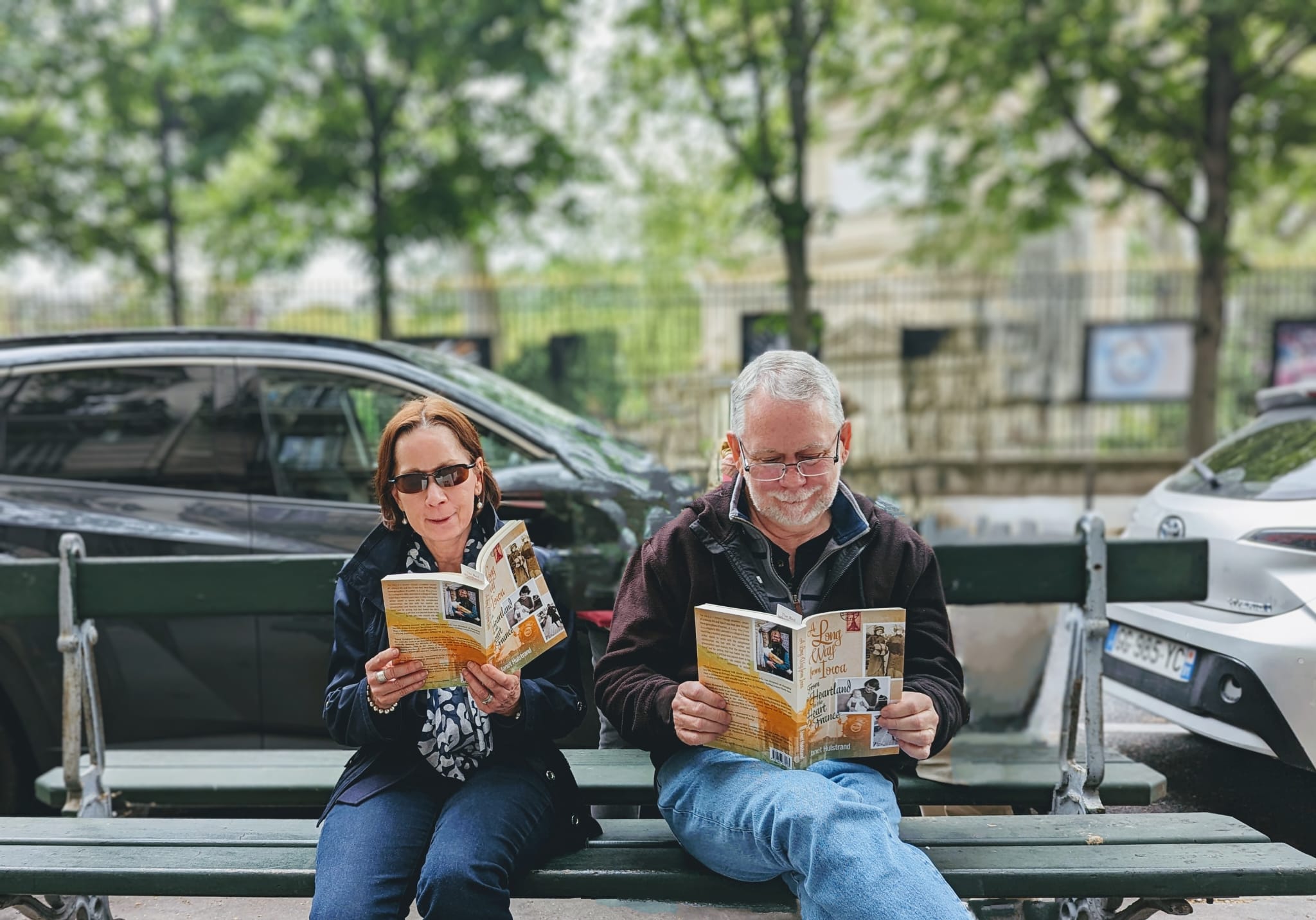
And so this book, a labor of love that I worked on off and on over a period of many years, is finally out in the world–and on the shelves at The Red Wheelbarrow as well as other bookstores (for example at my favorite Washington DC bookstore, Politics and Prose), and online as well. You can learn a bit about the book here, and I hope you will be interested enough to buy it. I hope even more that you will like it (and that if you do, you will write an online review of it). These things help authors so much!
The best thing about the event, at least for me, is that it was a wonderful mix of friends, and people I’d never met before. (The best thing for Penelope, I imagine, is that almost everyone who was there for the reading bought the book!) And I think it was fun for everyone that I had brought one of my favorite champagnes from the Côte des Bar (which is where I now live) to celebrate the event.
There is one more best thing about the event for me. And that is that both of my sons were there, with their very nice girlfriends. Nothing could have made the event more special for me.
Janet Hulstrand is a writer, editor, writing coach, and teacher of writing and of literature who divides her time between the US and France. She is the author of Demystifying the French: How to Love Them, and Make Them Love You, and A Long Way from Iowa: From the Heartland to the Heart of France.
Midsummer Night’s Dream…
It is just past summer solstice, and France is creeping out from under the restrictions imposed due to the pandemic. Last week Prime Minister Jean Castex announced that people are no longer required to wear masks outdoors. (This included, significantly, children playing in the school playgrounds; one can only imagine the happiness of the little ones at this news.)
Also, the evening curfew has been lifted completely. This came just in time for the annual Fêtes de la Musique, a nocturnal festival that occurs all over France on the summer solstice, and is followed by the celebration of the Festival of St. Jean, on June 24.
Here in Essoyes, people are joyfully celebrating the ability to be together again. The restaurants and cafes have reopened. A couple of weeks ago there was a village-wide vide maison (empty the house) what we would call a garage or yard sale, and other special activities, including a hike followed by a community picnic.
Reopening means reopening cultural events also. There will be organ concerts in the church at Essoyes over the next few weeks, bringing musicians from as near as Dijon, and as far away as Scotland and Finland.

Among the benefits of country living are being able to get your second Astra Zeneca dose from your friendly local pharmacists, which I did last week. At this point about 50 percent of the French population has received a first dose of the vaccine, and 30 percent have received their second: it’s not enough, but it’s a good start. Hopefully the numbers will continue to grow as rapidly as possible. Last week the vaccine was opened up to children 12 and older as well.
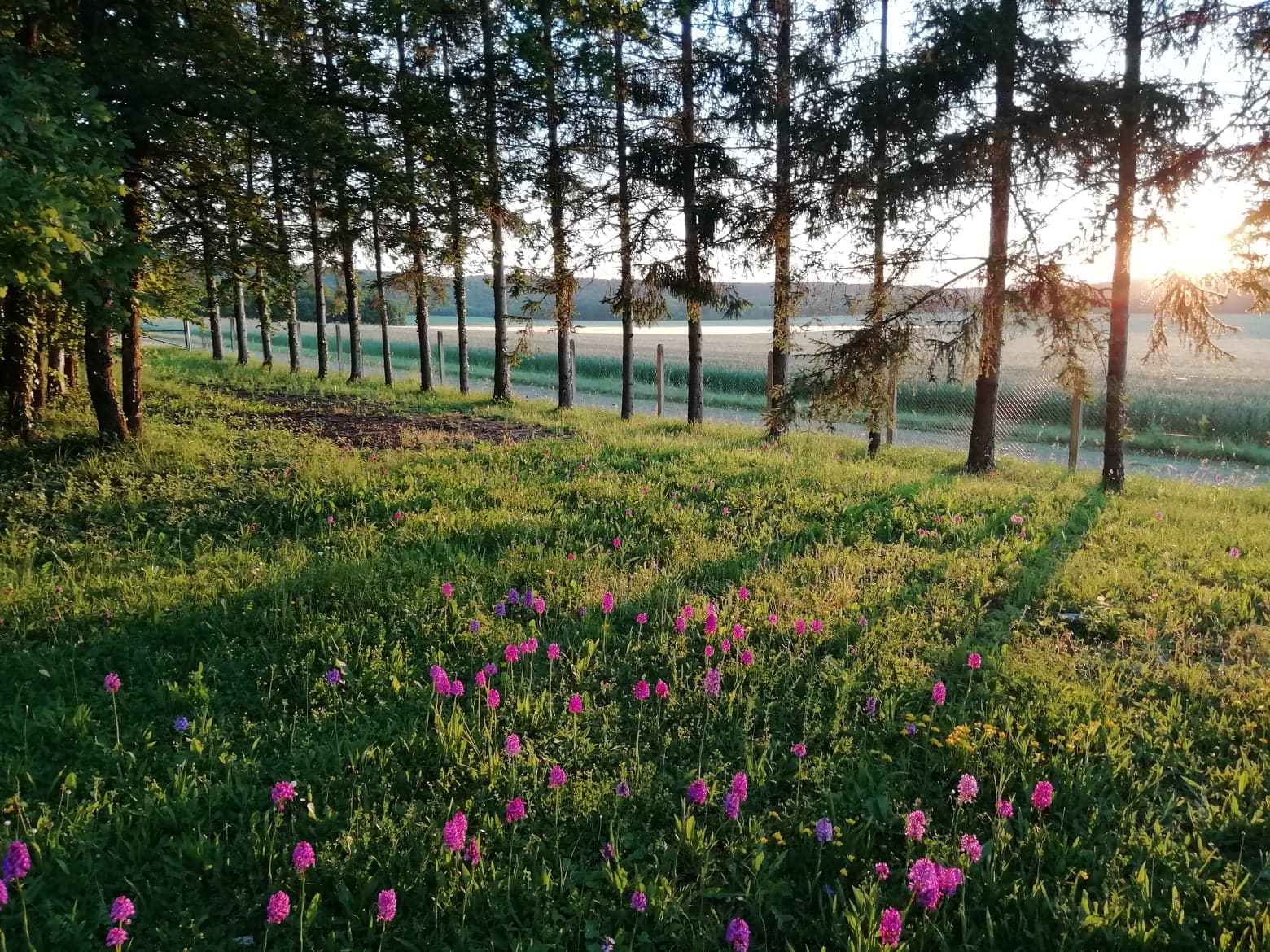
The abundance of the land begins to express itself in early summer. Here are a few proofs of that.
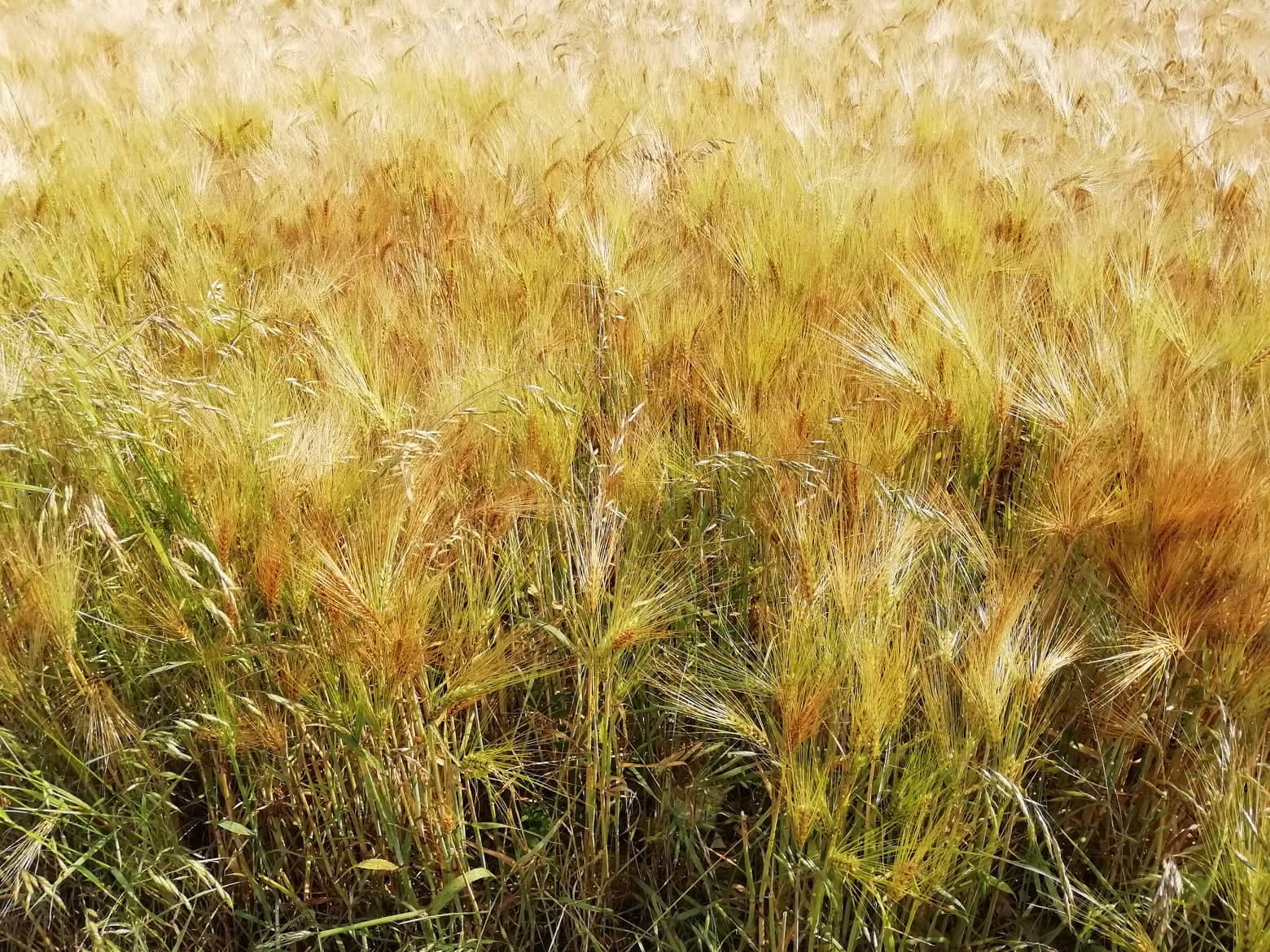

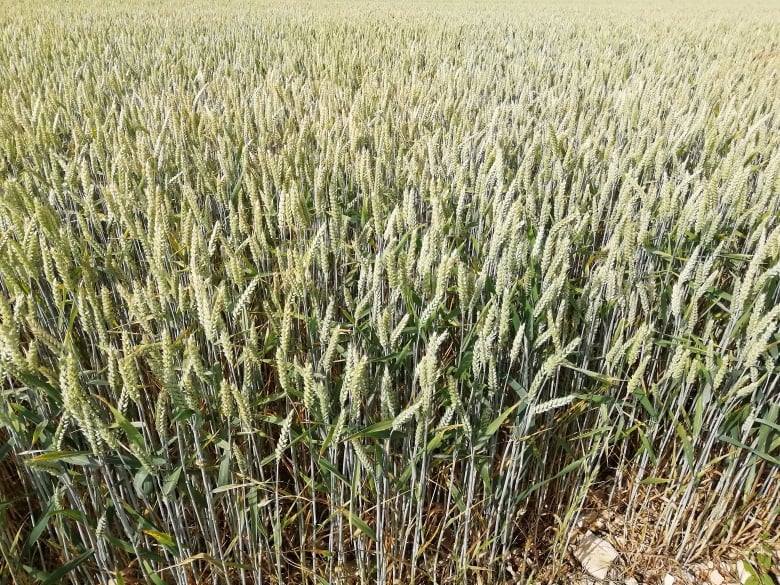
These images are of the barley, wheat, and wild strawberries that grow right in or next to my yard. Up in the hills surrounding the village, the vignerons have been especially busy over the last 10 days: this is the part of the summer where the vines must be trellised, which requires extra hands in the vines. The enjambeurs have been heading into the vineyards early in the morning–sometimes at dawn. Of course, this being France, they come back down for a nice, long lunch. Then it’s back into the vineyards again to work until early evening.
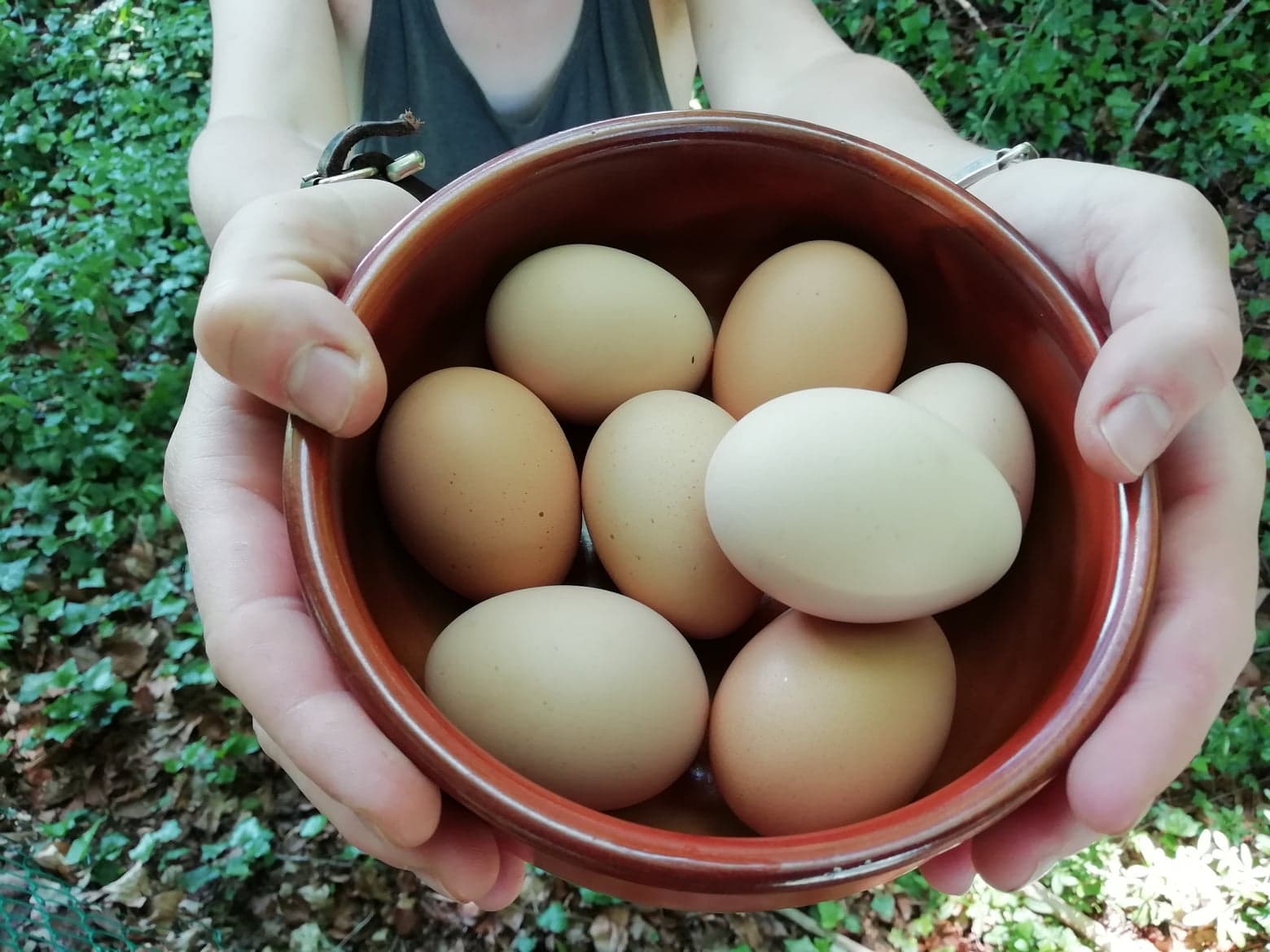
I am lucky to have a neighbor whose hens are prolific enough that she is able to share their eggs with others. Fresher, more delicious eggs I have never tasted!
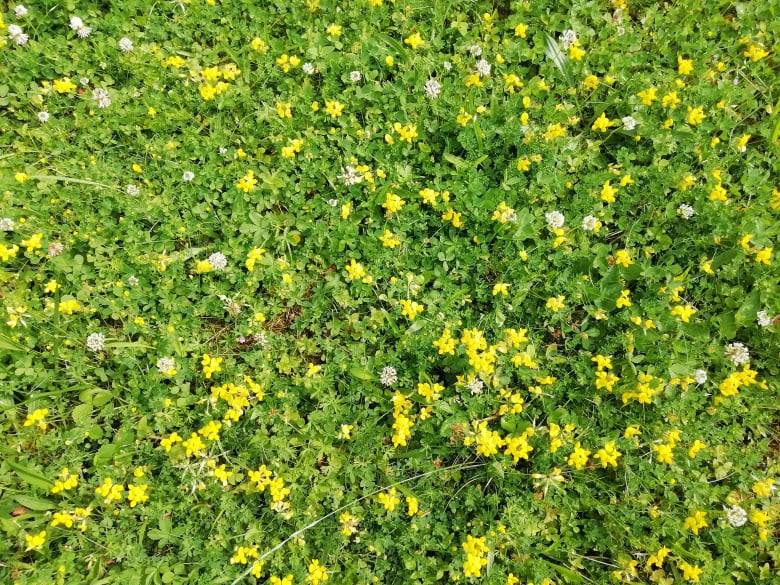
Finally, from spring to fall there are many lovely varieties of wildflowers here that spring up of their own volition, brightening landscapes and cityscapes alike with their colorful variations. Here are a few of the current stars of the show.

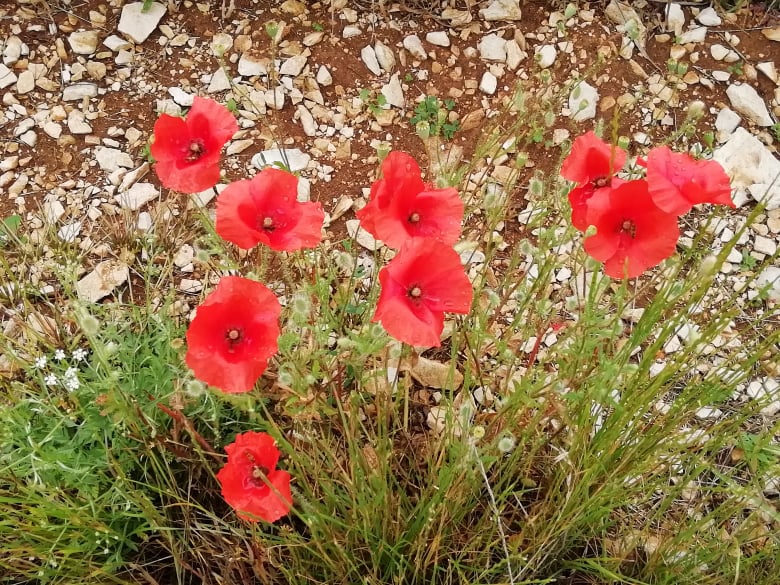
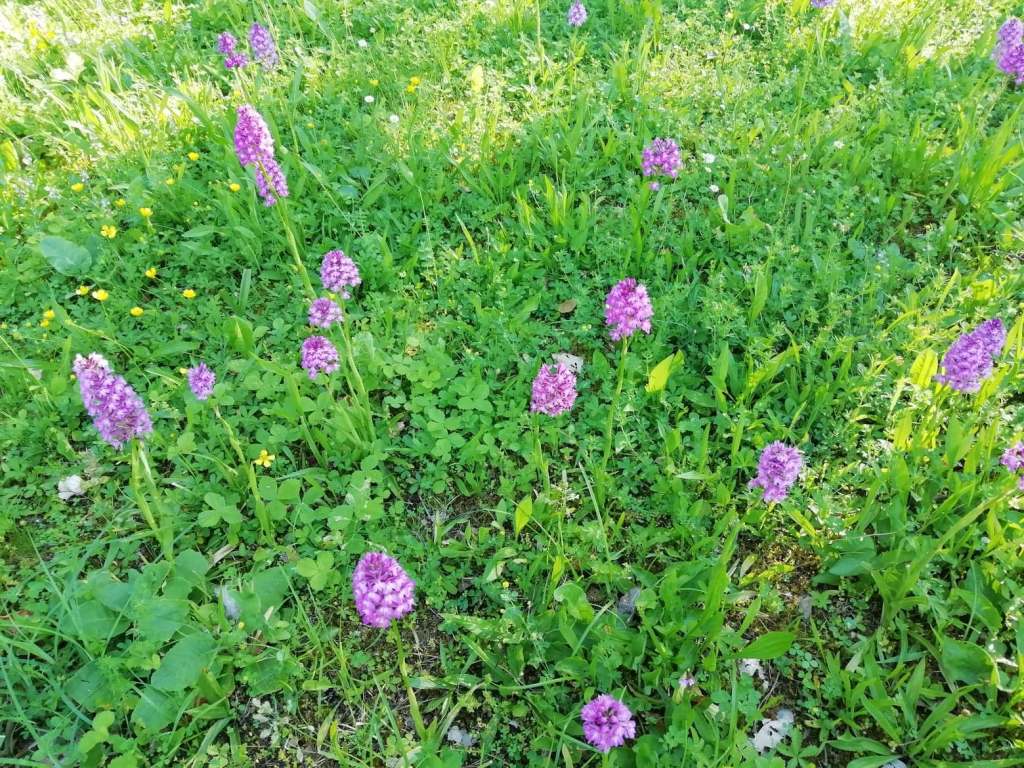
Wishing you a safe, pleasant summer wherever you are. Bonne continuation, et prenez soin de vous!
Janet Hulstrand is a writer, editor, writing coach, and teacher of writing and of literature who divides her time between the U.S. and France. She is the author of Demystifying the French: How to Love Them, and Make Them Love You, and is currently working on her next book, A Long Way from Iowa: A Literary Memoir.
Shuttling between Paris and Champagne
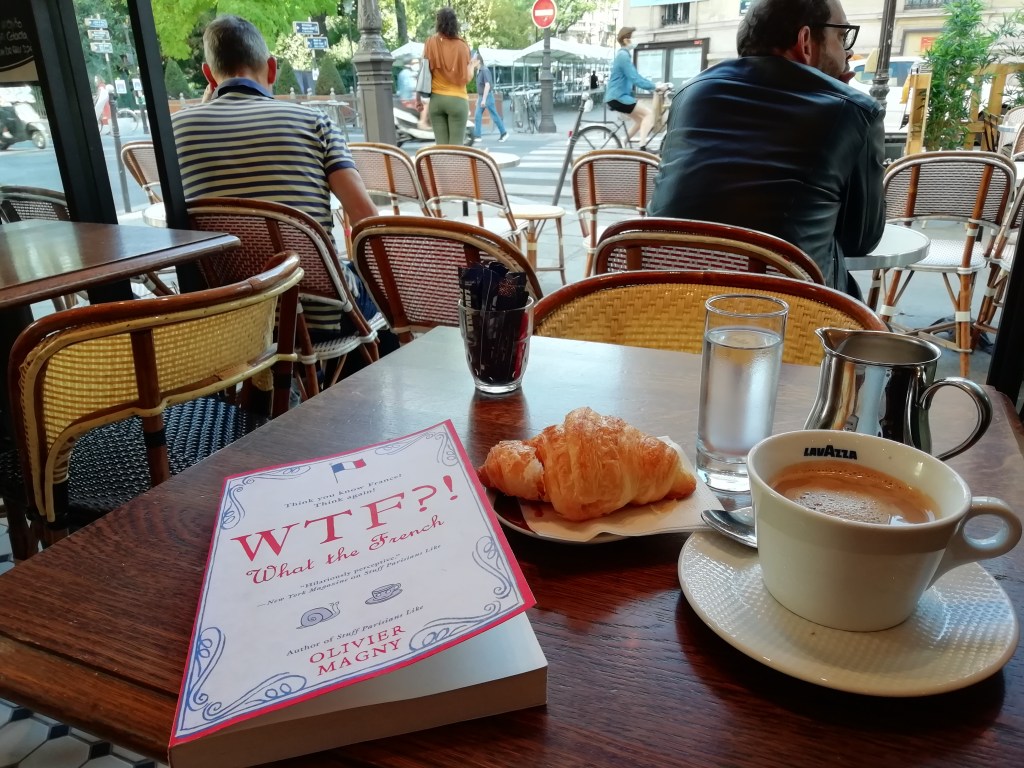
I’ve been lucky enough to be shuttling between two of my favorite places in France (and I guess therefore in the world) this month: Paris, and “my” little village of Essoyes in Champagne.
It’s only about 2 1/2 hours from Paris to Essoyes, and I usually do most of that trip by train, either from Troyes or Vendeuvre-sur-Barse. So it really can be done as a day trip, and occasionally I have done that, for example to attend my friend Adrian Leeds’s Après-Midi meetups in the Marais. My timing was lucky this month, in that I was able to attend the first in-person Après-Midi to be held at the Café de la Mairie since the lockdown began last spring.
Adrian has been conducting Zoom meet-ups since May: this time the guest speaker was the wonderful Cara Black, who was talking about her latest book, Three Hours in Paris, which is a thriller set in 1940, in newly-occupied Paris. Cara lives in San Francisco and was not able to come to Paris as planned (because most Americans–understandably–aren’t allowed into France for now 😦 ), but she got up at 6:00 in the morning so she could Zoom with us for our afternoon meeting. Her new book is fascinating! It deals with the (historical) fact that when Hitler came to Paris in June 1940, he left again quite suddenly, abruptly, and inexplicably. Why did he do that? was what Cara wondered, and from that wondering she has created a fascinating novel about an American woman, a sharpshooter from Oregon, who is assigned the task of attempting to assassinate him.
It is always good to be in Paris, and September is a particularly fine time to be there. Everyone is back from wherever they had gone this summer and (almost) everyone seems to be adjusting to the new rules for wearing masks, keeping physical distance from each other, and observing les gestes barrières. Most people are wearing masks, and most of them are wearing them correctly. (The most common infraction is not covering the nose–not good enough, people!) Consequently, it is not an infrequent sight to see two friends encounter each other on the street, one of them walk right by the other one, and then stop short, turn around, and say, “Oh, I didn’t know it was you!”

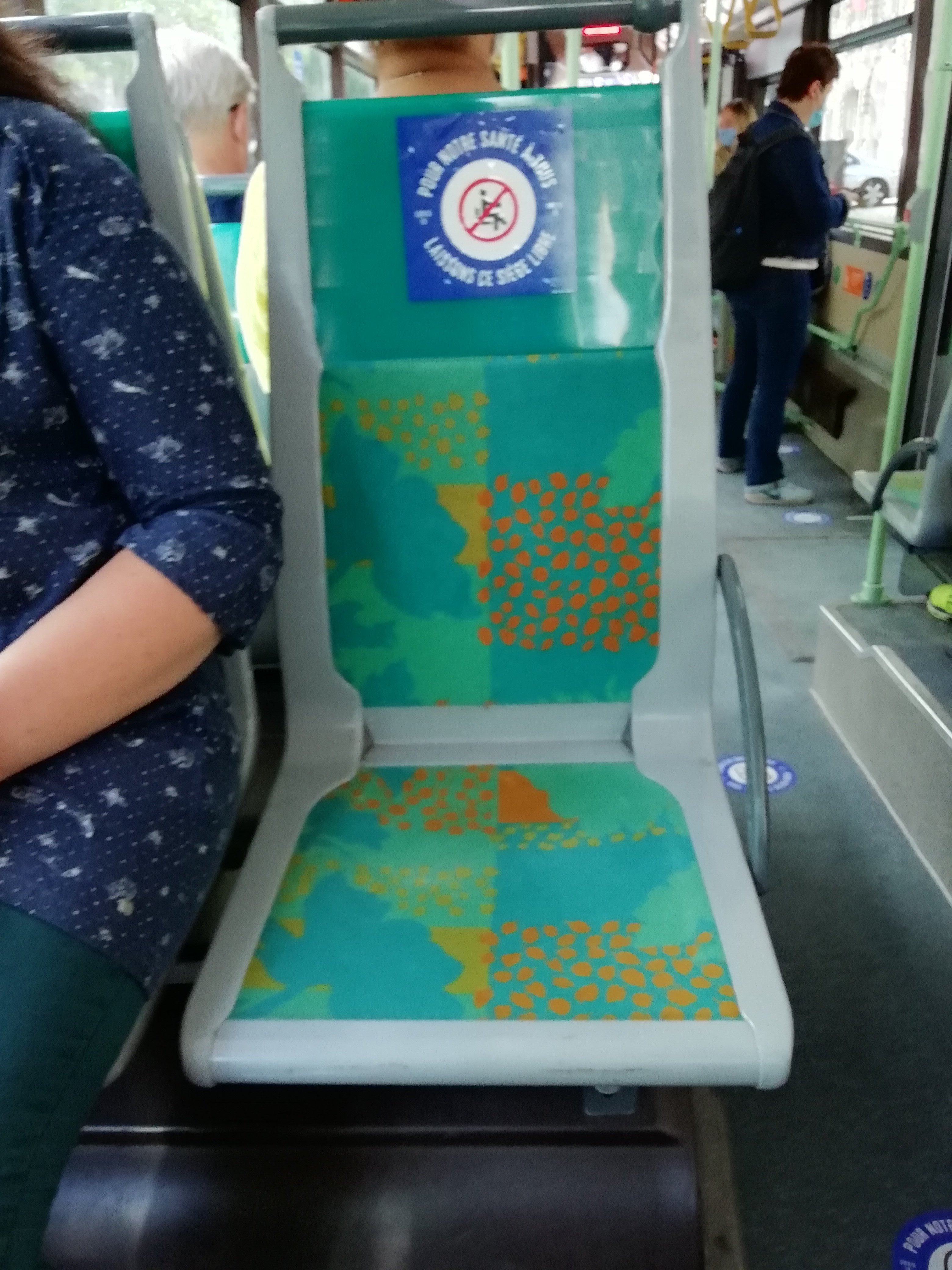
On one of the days I was in Paris I was stuck inside working on a project I needed to do. It was a gorgeous day outside, I could see that, but I wasn’t out in it, enjoying it. Then I began to think about various things that were concerning me, and before not too long I had slid into a not very positive state of mind.
So I decided to pull myself together, and “snap out of it.” I got my work project to the place I had promised myself I would; I went off to the pharmacy to pick up a prescription I needed; and then I found a table at a sidewalk cafe, where I ordered a kir, and then just sat there for an hour, watching the world go by.
There are very few of the mundane worries in life that can’t be made better by spending an hour just sitting in a Parisian cafe, with a cup of coffee or a glass of wine. And so that is what I did. And it worked!
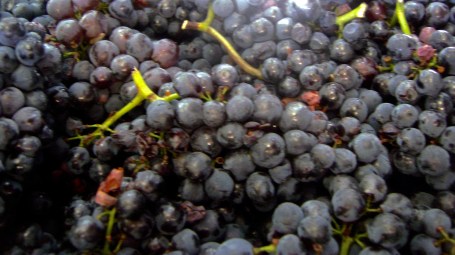
In Essoyes, the vendange has come and gone. It’s not saying anything new to say that 2020 has been a challenging year for almost everyone around the world. And that goes for the vendange as well.
I’ve written about the vendange in Essoyes in the past, for example here and here. There are good years, and there are bad years: this was NOT a good year for my friends and neighbors who make champagne. After a very hot, dry summer the harvest was both early and short–it began during the third week in August and was over before September 1, for most vignerons only about 8 days I think. Our friend from the pressoir in Essoyes came by to say a quick hello after it was over, and explained some of the reasons that “we’re all going to lose money this year.” The drought was one problem; COVID was another. There were others too, too complicated to go into here.
So the vignerons are hoping (fervently) that people will buy champagne. The sooner the better; the more, the better. You don’t need to wait for the holidays. Or a graduation, or a wedding. (One of the problems, of course, is that so many of those events have had to be cancelled this year.)
So why not just celebrate the fact that–so far–you have come through the pandemic and are still here to enjoy champagne? Vignerons work hard–very hard!–throughout the year, and this year especially, they need our support.
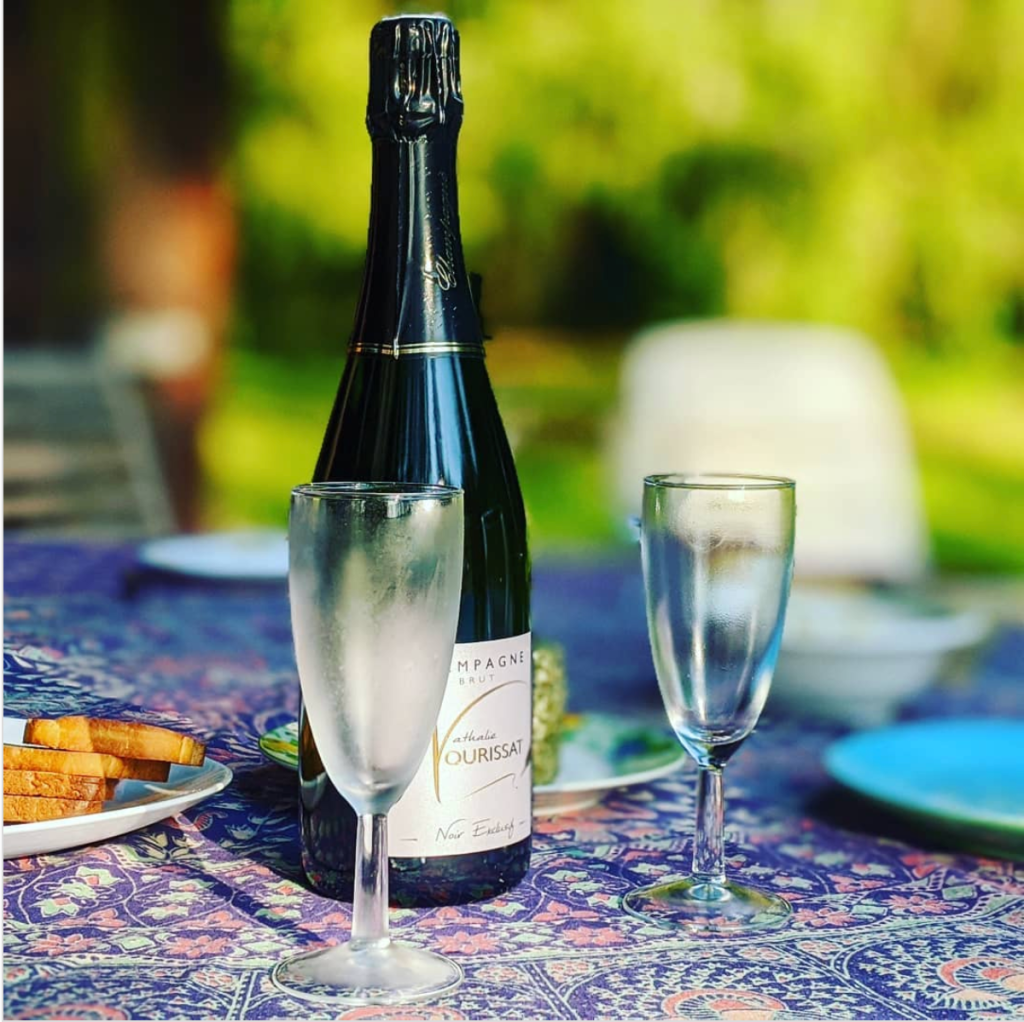
Enough said. This is, of course, up to you. Just sayin–this year the vignerons of France could use your help.
I have not said anything about what is going on in my home country. Suffice it to say it is deeply concerning, and it makes me both sad and worried. Most Americans abroad can send their votes back home very soon if they not already been able to do so. I am hoping that a massive voter turnout will make a difference, and will help us take the first steps toward getting to a better place than we are as a nation right now.
Stay safe everyone. Wear those masks, keep those distances, wash your hands, don’t touch your face.
Prenez soin de vous!
Janet Hulstrand is a writer, editor, writing coach, and teacher of writing and of literature who divides her time between the U.S. and France. She is the author of Demystifying the French: How to Love Them, and Make Them Love You, and is currently working on her next book, a literary memoir entitled “A Long Way from Iowa.”
Summer in Essoyes
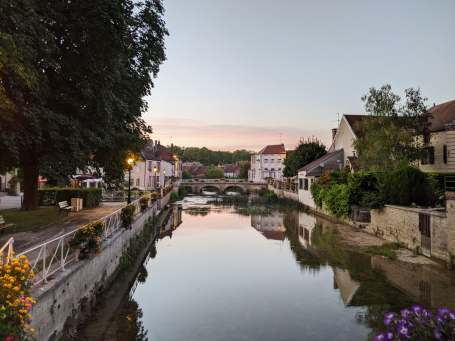
I don’t really think of Essoyes as a tourist town, but it is, among other things, a wonderful place for tourists to visit. This is partly the legacy of Alain Cintrat, who has just ended 20 years of public service as our mayor, and partly the legacy of his mother. Of course there were many other people involved in making their dream of memorializing the history of the Renoir family in Essoyes come true; but if not for their dedication and determination over a period of many years, it would probably not have happened.
In any case, it did happen, and as a result Essoyes has become a lovely and very interesting place for tourists to visit, along with the many other lovely villages in this part of southern Champagne, very near the Burgundian border.
So it was that, just before the quatorze juillet, I noticed that the village square was suddenly full of cars, the physically distanced lines outside the bakery and in our little grocery store were longer, and there were lots of tourists strolling through the town. (You can tell which ones are the tourists: they are the ones wearing sporty casual vacation wear, walking at a very leisurely pace through the streets of the town, rather than on the sidewalks. This is irritating only when you are trying to drive a car through those narrow streets, but it is irritation tempered by the knowledge that having tourists come here is a good thing for Essoyes. It is…)
The rate of COVID cases has begun to tick up in France again, and France is responding. Everywhere you go there are signs reminding people what they can, and in some cases must, do to help protect themselves and others, and slow the rate of infection. In Essoyes, starting in August there will be testing available once a week in the community center. And everyone is hoping that, if everyone continues (or begins!) to follow the recommended guidelines for containing the virus, we can avoid a second wave that would be worse than the first. I suspect health care workers are hoping that more than anyone, let’s try to help them out with that, everyone, shall we?
And so, life has returned more or less to normal–well, to the “new normal”–at least for now. For our family that means raspberry tartes for July birthdays–and we celebrated two of them in our home this month.
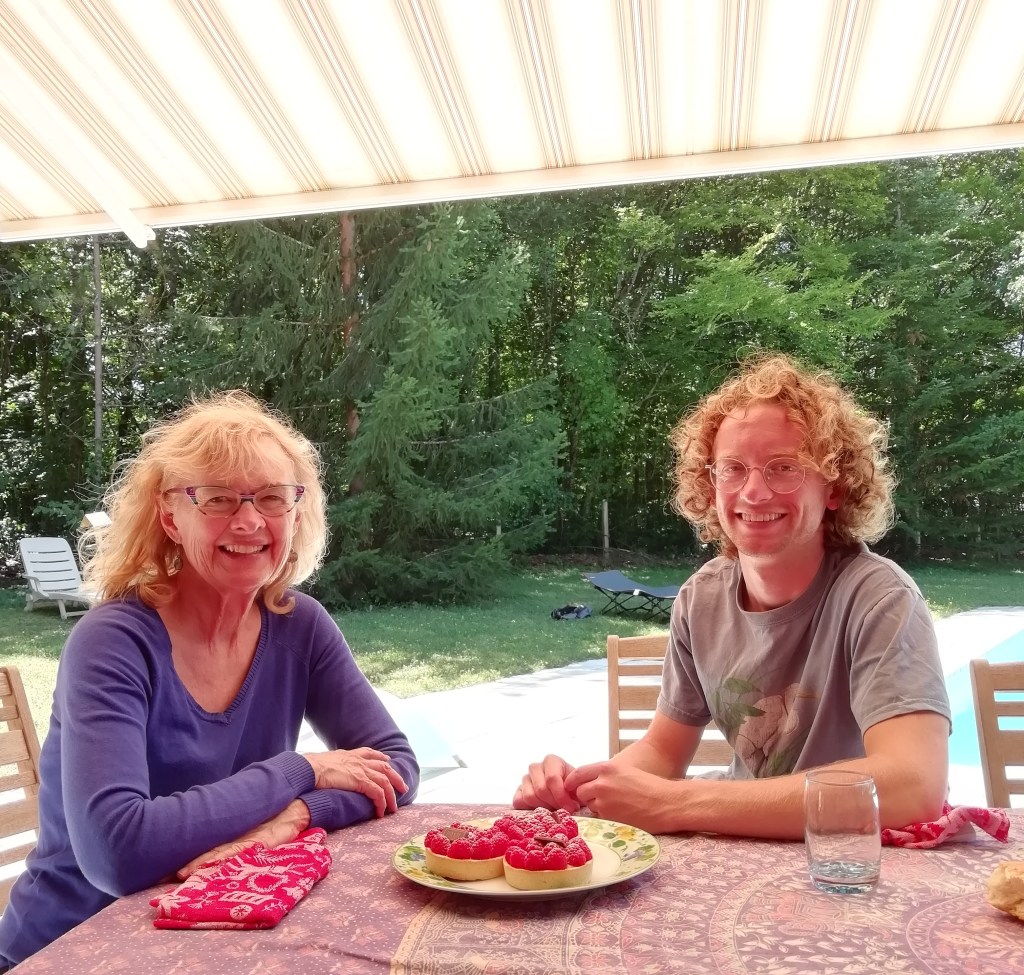
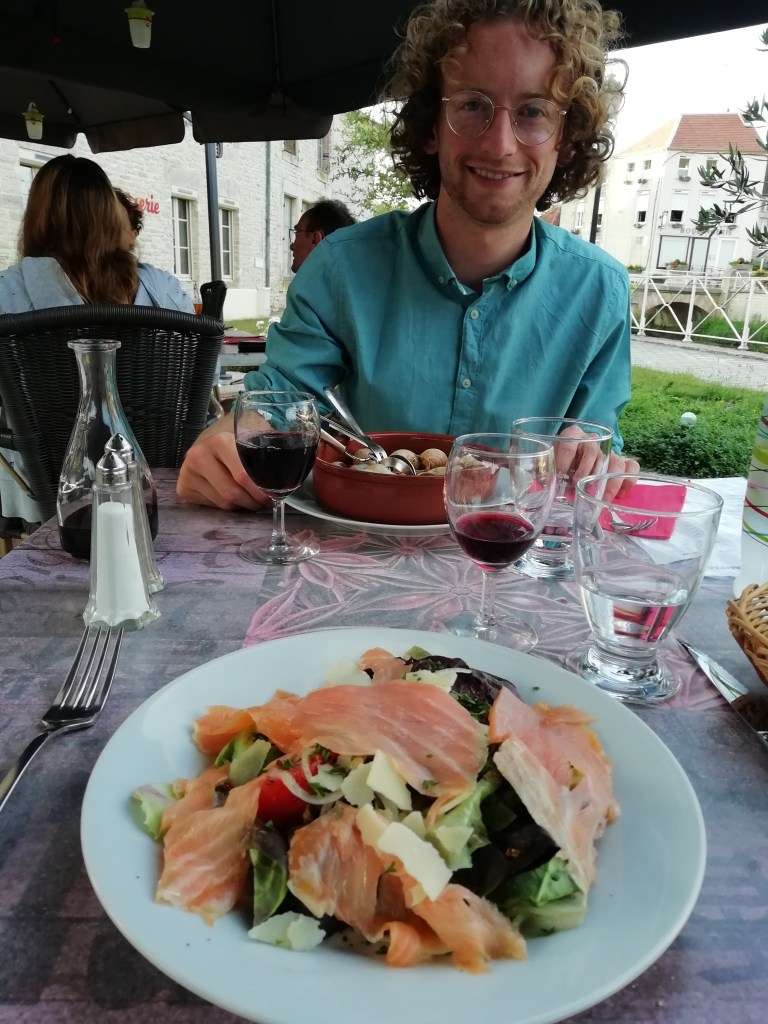
The tartes at lunch were followed by a delicious meal at La Guingette des Arts, on the banks of the Ource River, which flows through the center of Essoyes. (The photo at the top of this post, by the way, taken by “the birthday boy” that night, is not retouched. Believe it or not!) And here’s a photo of him enjoying his escargots at La Guingette.
There will be an organ concert in the church in Essoyes this weekend. How exciting is that? (After nothing happening in the churches for such a long time? Very!)
Wishing everyone a safe, happy continuation. Stay well. Stay safe. Prenez soin de vous.
Janet Hulstrand is a writer, editor, writing coach, and teacher of writing and of literature who divides her time between the U.S. and France. She is the author of Demystifying the French: How to Love Them, and Make Them Love You, and is currently working on her next book, a literary memoir entitled “A Long Way from Iowa.”
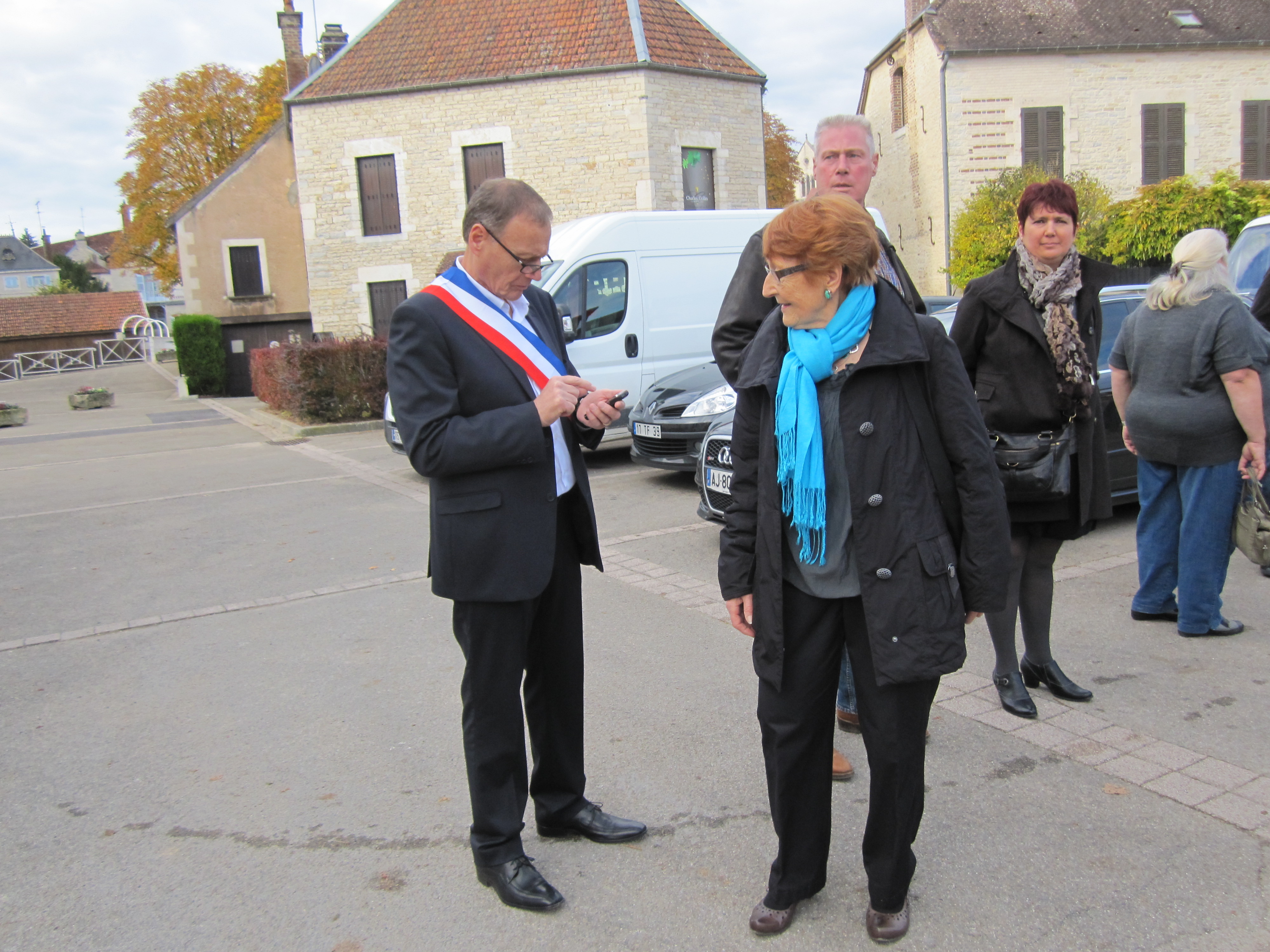
Merci, M. le Maire d’Essoyes




Janet Hulstrand is a writer, editor, writing coach, and teacher of writing and of literature who divides her time between the U.S. and France. She is the author of Demystifying the French: How to Love Them, and Make Them Love You, and is currently working on her next book, a literary memoir entitled “A Long Way from Iowa.”
Bastille Day in Essoyes 2020
…In France this holiday is called “la fête nationale” or, more commonly, le quatorze juillet. This year, as usual it started on the evening of the 13th of July…
Déconfinement Day 8
Well we are one week into déconfinement. Such a feeling of liberation, now that we don’t have to take an attestation with us every time we venture outside of the boundaries of our home! (Though we are still required to stay within 100 kilometers unless we have a very good, and strictly defined–defined by the French government–reason for going further than that…)
We are still being very careful though, and of course we need to be, because with everyone suddenly coming out of confinement, I am assuming that that automatically raises the general risk of being infected by the virus. (That is my own very simple layperson’s interpretation, I have not heard anyone say exactly that: but it must be true, no?)
So. I am still waiting to do much of anything, outside of walks outside and the occasional trip to our little Casino supermarket here in town, so I can at least start helping my son carry groceries back home. He has been such a huge help to me throughout the lockdown! When restaurants are open again and it is safe for us to travel he is going to enjoy a very fine meal, my treat! Or maybe we will just stay right here in Essoyes and eat at our own very fine hotel restaurant, Les Demoiselles, with its magnificent view of Essoyes and the surrounding vineyards.
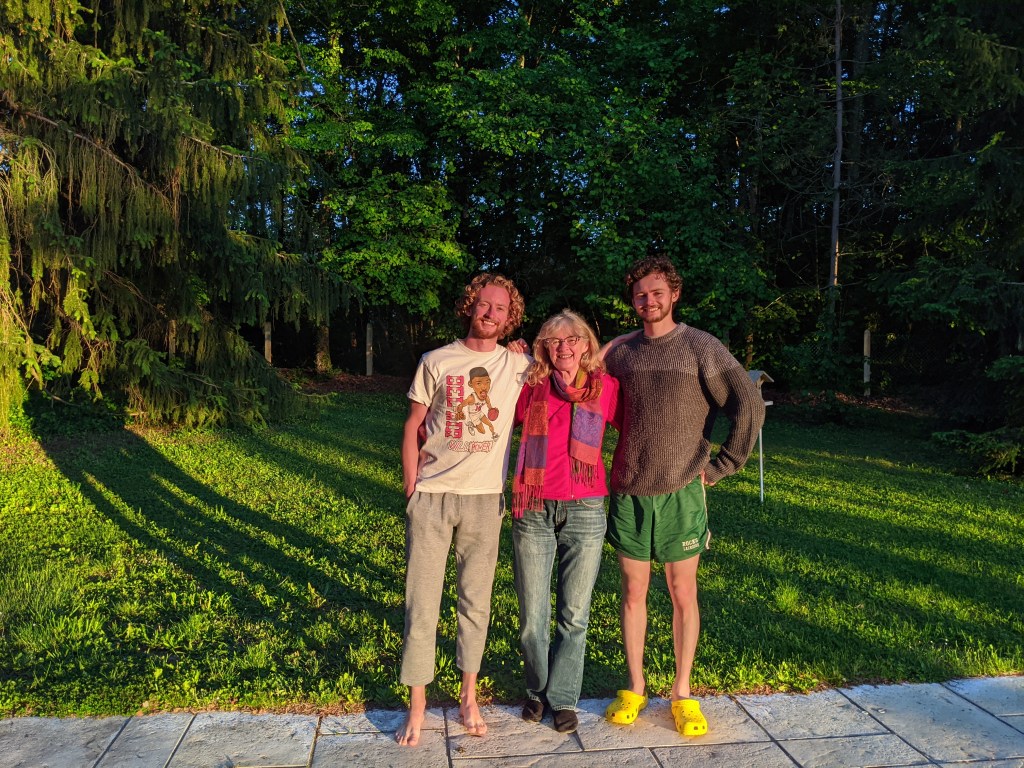
Déconfinement has made it possible for my older son to join us now, too, from the place he was sheltering in place with friends in the south of France: so we are together again, and I am thanking my lucky stars for that.
None of us know one blessed thing about gardening, but today there was talk of us taking the bold step of trying to learn something so we can grow some of our own vegetables in a little “victory garden.” (Please do NOT “stay tuned.” I will let you know if we have any success at all, I promise! )
I continue to watch the news from home with sadness and concern. And I guess that is all I will say about that; except that I am very very sorry that because of the way things have been handled there, many dear friends and family members are not going to be allowed into Europe anytime soon… 😦
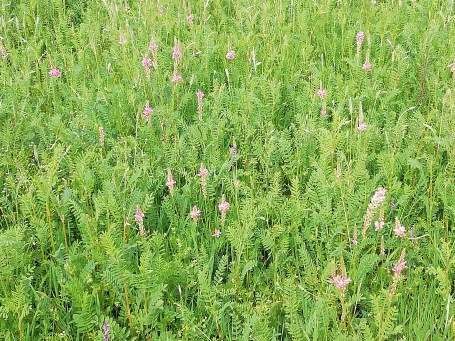
Meanwhile here in Essoyes the wheat and colza continue to grow, the bright red poppies are beginning to spring up in the fields, and the vineyards are doing okay too this year (I think).
There is also a field of what I think is cow vetch (in English) vesce de vache in French, near our home. (Now do you see why I wanted to learn French?) 🙂
Stay well everyone. Prenez soin de vous…and here’s a helpful reminder from the French government about how to go about doing that.
Janet Hulstrand is a writer, editor, writing coach, and teacher of writing and of literature who divides her time between the U.S. and France. She is the author of Demystifying the French: How to Love Them, and Make Them Love You, and is currently working on her next book, a literary memoir entitled “A Long Way from Iowa.”
 Writing from the Heart, Reading for the Road